
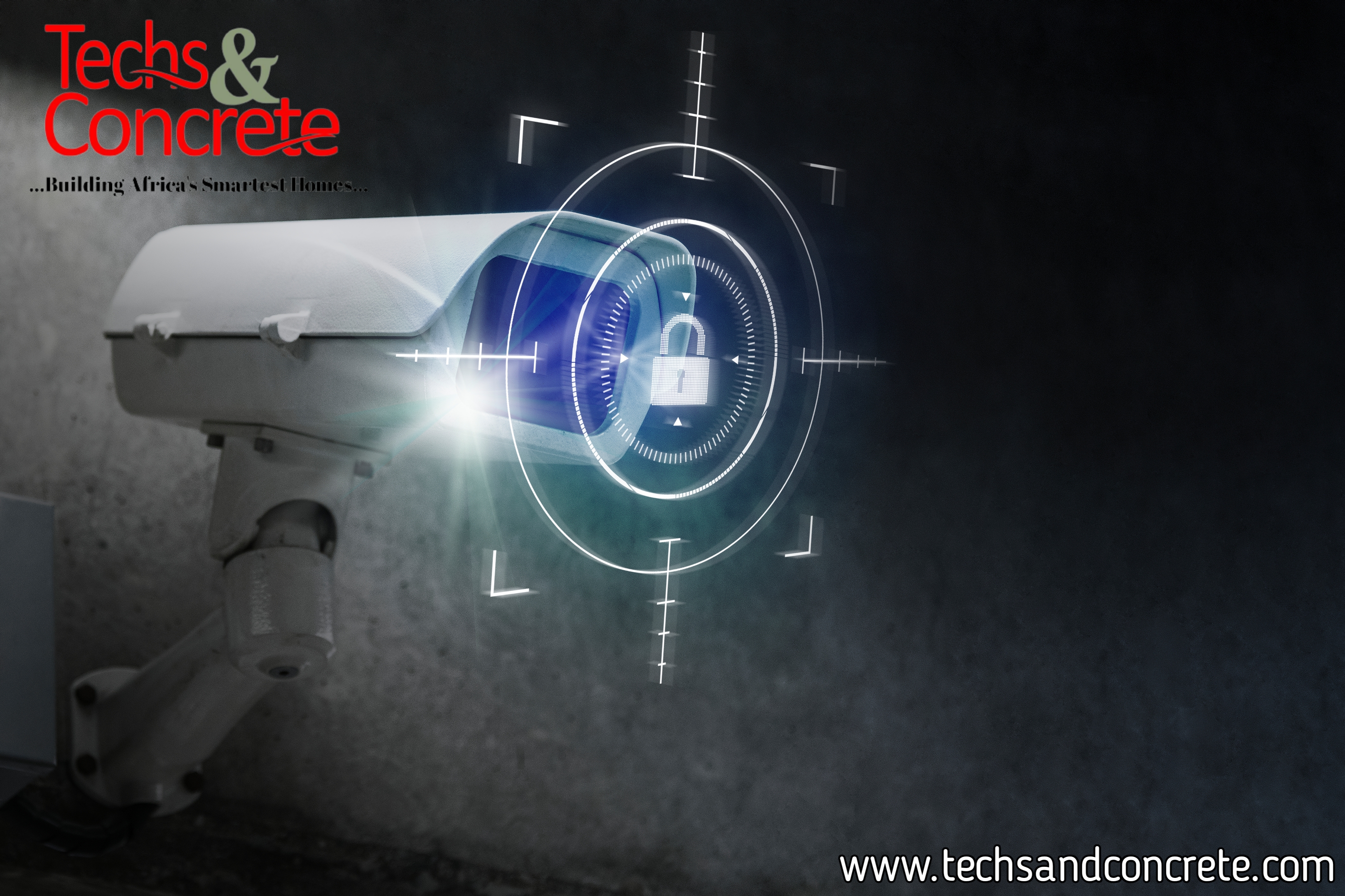
Smart homes are the future of modern living, with the ability to control every aspect of your home from your smartphone providing a level of convenience like never before. However, as with any technological advancement, there are privacy risks and security concerns that need to be addressed.
The benefits of a smart home are many, including improved energy efficiency, enhanced security and safety, and the ability to create a comfortable environment for you and your family. For example, a smart thermostat can automatically adjust the temperature in your home based on your preferences, reducing energy bills and making your home more comfortable.
Smart locks and security cameras can also provide increased peace of mind, allowing you to remotely monitor and control access to your home, ensuring your family and possessions are always safe. Additionally, smart home devices can help with everyday tasks like ordering groceries, turning off lights, and even feeding your pets.
However, with the ever-increasing number of smart home devices available, there is an inherent privacy risk. Smart home devices can collect and store vast amounts of data on our daily routines and habits, including sensitive information like financial records, passwords, and personal conversations.
Cybercriminals can exploit these privacy risks to gain unauthorized access and control of our smart home devices and data. This can lead to hacking, cyber attacks, and data breaches, putting us and our families at risk.
To protect yourself and your smart home devices, it is important to follow cybersecurity and privacy best practices. This includes regularly updating your devices with the latest security patches, using strong passwords and two-factor authentication, and limiting access to your personal information.
It is also important to use trusted smart home devices from reputable manufacturers and to take extra precautions when using always-connected devices like virtual assistants. Consider disabling features such as always-on microphones if you are uncomfortable with the potential privacy risks.
In conclusion, while the benefits of smart homes are undeniable, we must remain vigilant about their associated privacy risks and security concerns. By regularly reviewing our device settings and aligning our behavior with privacy and security best practices, we can enjoy the convenience of a smart home without sacrificing our privacy or security.
Image source: www.freepik.com
Comments